The Hidden Cost of Push Notifications: How Smartphone Alerts Slow Your Mind
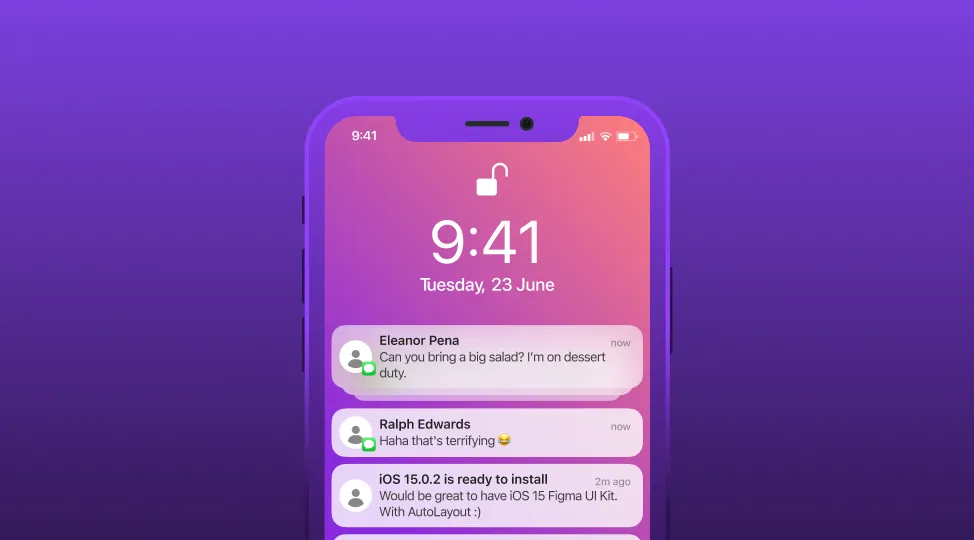
There was a time when people were not expected to be available around the clock. News arrived by mail once or twice a day, and gossip spread by word of mouth or through magazines. Those days are long gone. The ubiquity of smartphones has erased whatever semblance of privacy we once had. Throughout the day, our phones explode with text messages, emails, direct messages, and push notifications—from Uber Eats (which has reportedly explored using AI to analyze restaurant food photos) urging you to order Chinese food even though you just ordered an hour ago. This constant barrage is undeniably annoying, but the problem runs deeper. Push notifications are closely linked to smartphone addiction, and research shows that these disruptions impair our attention spans and actually slow our overall reaction times.
The Science of Disruption
In 2022, a team of psychologists from the University of Arkansas and Plymouth University in England challenged a group of college students to complete cognitive tests while being periodically interrupted by the sound of a vibrating phone, as well as a computer‑generated control tone. The results, published in PLOS‑One, showed that participants responded more slowly to tasks when interrupted by a phone vibration compared to other sounds. This mirrors a 2016 study from the Catholic University of Korea, published in Computational Intelligence and Neuroscience, which found that phone notifications led to slower responses and higher error rates. Alarmingly, these findings represent only the tip of the iceberg.
Bad Vibrations
After the first iPhone launched in 2007, people quickly grew accustomed to the buzz of their phones, even as apps began sending notifications daily or more frequently. Each vibration breaks concentration and workflow, disrupting tasks and even the completion of a single thought. A study published this year in Computers in Human Behavior went further by measuring these setbacks. French researchers found that receiving a smartphone notification caused an average cognitive processing delay of approximately seven seconds. Notifications also triggered pupil dilation—an involuntary sign of heightened emotions such as fear or arousal.
The same study offered insights into why a phone’s buzz is more distracting than other noises. The sound of a smartphone carries a high level of perceived relevance. People interpret it as demanding immediate attention, likely because we have been conditioned through time‑sensitive alerts (job messages, delivery updates) to treat phone notifications as urgent. Smartphones also trigger emotional responses that other noises do not, as evidenced by pupil dilation from just the sound or vibration.
Managing the Disruptions
You might assume the solution is simply to turn off notifications, but it is not that straightforward. A 2024 study in Media Psychology conducted a randomized controlled trial with over 200 Android users aged 18–30. Half were required to disable all smartphone notifications for one week, while all participants had their phone usage tracked via a research app. Somewhat surprisingly, the results showed no significant difference in total phone usage between the two groups. However, the French study noted that notification frequency was more closely tied to productivity than overall screen time (though you should still keep the 20‑20‑20 rule for eye health in mind).
Disabling notifications comes with another challenge: the fear of missing out (FOMO). FOMO is a serious subject of psychological research and can produce levels of anxiety as mentally distracting as the phone itself. So what can be done? Unfortunately, there is no simple answer. Some tricks may help, such as keeping your phone out of sight or engaging in an activity you find truly absorbing. Yet, given how dependent we have become on smartphones, this may be a classic case of “can’t live with it, can’t live without it.”