Smart Locks: Are They Worth the Risk? Pros, Cons, and What to Know Before Buying
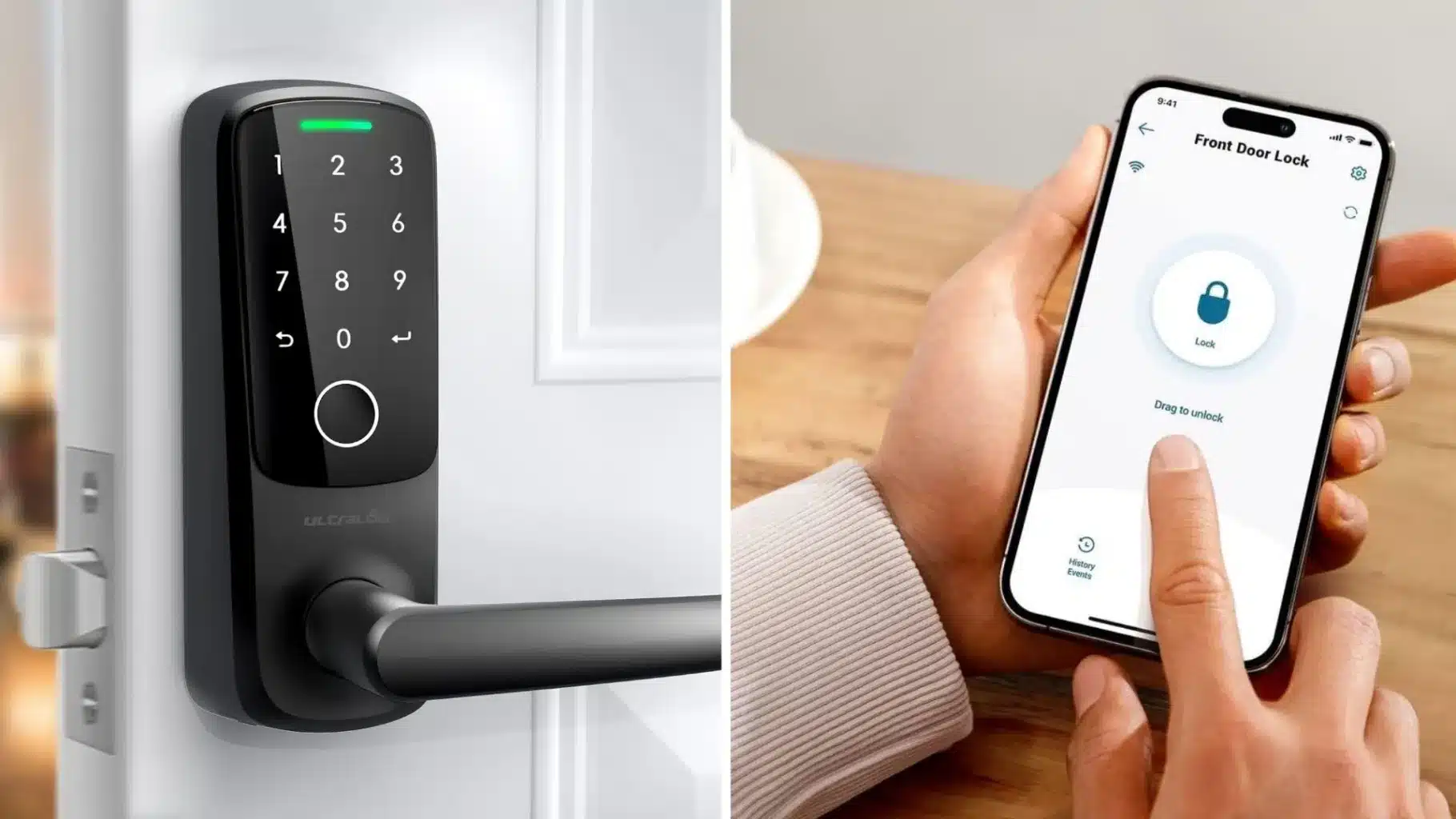
Smart locks look great on paper. They make getting into your home easier by removing the need to carry physical keys. Your phone, a passcode, or even your fingerprint becomes the key. But before you replace your old manual locks, there are several factors you should consider.
Physical Safety Concerns
Smart locks are connected to the internet, but they may also be made of less secure components than traditional locks. Some models have easily accessible mechanisms that bypass keypads or fingerprint scanners. This allows bad actors to unlock the lock through conventional physical means. Choosing a good smart lock brand is essential.
Privacy Risks
Smart locks often come with 128‑bit encryption, which helps mitigate data leaks and hacking. However, you typically need a username and password to log into the manufacturer’s app. Your lock’s online security relies heavily on the strength of your password. Use strong, unique passwords.
Another threat is man‑in‑the‑middle attacks, where hackers intercept data between your phone and the lock. Follow smart home networking security tips to keep your transmissions safe.
If you choose a poorly secured brand, you might end up with a lock that has a vulnerable web UI, giving cybercriminals easy access. This is especially dangerous for locks with cameras, as attackers could see everything through your lock’s lens.
Technical Limitations
-
Power requirements – Smart locks need electricity. Wired options require professional installation; battery‑powered models need regular charging or replacement. Look for warning signs (chimes, blinking lights) of low battery. Some brands offer manual key access as a backup, but that adds another security point (you have to keep a spare key safe).
-
Firmware updates – A smart lock that never receives updates won’t get necessary security patches. Some locks are not designed for over‑the‑air updates, meaning any exploit found remains unfixed until the lock is physically replaced. Active maintenance is essential.
If keeping up with battery changes, firmware updates, and password management sounds tedious, a smart lock might not be right for you.
Summary Table
| Factor | Consideration |
|---|---|
| Physical safety | Some smart locks have easily bypassed mechanisms. |
| Privacy | Vulnerable to weak passwords and man‑in‑the‑middle attacks. |
| Power | Batteries die; wired needs pro install. |
| Updates | Without firmware updates, security flaws persist. |
| Convenience | Keyless entry, remote access, but requires ongoing maintenance. |
Conclusion
Smart locks offer convenience but come with significant trade‑offs: physical vulnerabilities, privacy risks, power dependency, and the need for active updates. If you’re willing to maintain strong passwords, keep batteries charged, and choose a reputable brand with OTA updates, they can be a good fit. Otherwise, stick with traditional locks.