Sennheiser Dual Tuning Explained: The IE 200’s Secret to Customizable Bass
A Feature That Redefines In-Ear Monitoring
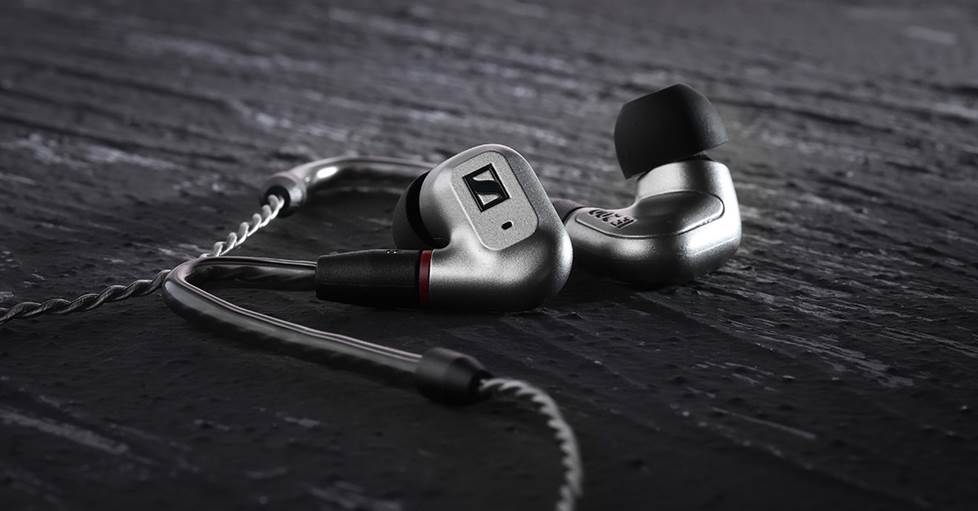
When it comes to in-ear monitors (IEMs), finding the perfect balance between fit, sound quality, and control can be a challenge. Sennheiser has long been a trusted name in the audio world, and with the IE 200, they have introduced a feature that sets these IEMs apart from the competition: Dual Tuning.
This audiophile-grade IEM delivers exceptional sound quality with a fairly wide soundstage, but it’s the Dual Tuning feature that truly makes it a standout. Exclusive to the IE 200, this patented ear-tip positioning system allows you to customize the bass response in seconds—simply by adjusting how the ear tips are mounted.
This guide explains everything you need to know about Dual Tuning: how it works, why it’s exclusive to the IE 200, the tape hack that takes it further, and what the future holds for this innovative feature.
What Is Dual Tuning?
Dual Tuning refers to the IE 200’s unique ear tip mounting system. The ear tips can be positioned in two distinct orientations, each delivering a different sound signature.
| Mounting Position | Sound Signature | Best For |
|---|---|---|
| Outer Position (1st detent) | “Bass light”—open, analytical sound with emphasis on treble and detail | Classical, acoustic, jazz, vocal-focused music |
| Standard Position (2nd detent) | “More bass”—fuller low-end with warm, impactful bass response | Rock, rap, hip-hop, EDM, pop |
Important: Even in the “bass light” position, bass isn’t eliminated entirely—the treble frequencies simply take center stage. According to Sennheiser, the system is designed to be “effortless” to use, letting you switch “between powerful bass and open, analytical tuning” in seconds.
How Dual Tuning Works: Two Positions, Two Sound Signatures
The Dual Tuning system is both simple and ingenious. The IE 200’s nozzle features two detents (click-stop positions) where the ear tips can be securely mounted.
Position 1: The “Open” Position (Bass Light)
-
Mount the ear tip on the first detent, leaving a small portion of the acoustic tube exposed.
-
This creates a vent that rolls off the bass, resulting in a more neutral, open sound.
-
Ideal for: Critical listening, classical music, audiophile recordings where detail and clarity are paramount.
Position 2: The “Standard” Position (More Bass)
-
Push the ear tip fully onto the nozzle until it clicks into the second detent.
-
This seals the acoustic tube, delivering a slightly higher bass response and a warmer, fuller sound.
-
Ideal for: Rock, hip-hop, electronic music—anything where you want that low-end punch.
The difference between the two positions is noticeable but subtle, allowing you to tailor the sound to your music without needing an equalizer.
A Quick Hack: The Tape Mod for Bass Consistency
For those who want even more control, there’s an interesting hack that has gained traction in the audiophile community. By covering the mounting nozzle with a small piece of tape, you can preserve bass consistency regardless of which mounting position you choose.
How the Tape Hack Works:
| Step | Action |
|---|---|
| 1 | Remove the ear tip from the IE 200. |
| 2 | Apply a small piece of tape over the vent holes on the nozzle. |
| 3 | Reattach the ear tip in your preferred position. |
| 4 | Enjoy a more consistent bass response across both tuning positions. |
This hack essentially eliminates the bass roll-off in the “open” position, giving you a more balanced sound while still benefiting from the treble emphasis.
Why Dual Tuning Is Exclusive to the IE 200
Interestingly, the Dual Tuning feature is exclusive to the Sennheiser IE 200. Neither the higher-end IE 600 nor the flagship IE 900 supports this function.
| Model | Dual Tuning | Price Range | Key Feature |
|---|---|---|---|
| IE 200 | ✅ Yes | $149 | Dual Tuning, entry-level audiophile |
| IE 600 | ❌ No | ~$700 | Dual Helmholtz resonator |
| IE 900 | ❌ No | ~$1,300+ | Triple resonator design |
Sennheiser has positioned the IE 200 as an entry-level audiophile IEM that benefits from trickle-down technology from its more expensive siblings. The Dual Tuning feature gives the IE 200 a unique selling point that even its premium counterparts lack.
The Sonova Era: What It Means for Sennheiser’s Future
For those who may not know, Sennheiser sold the bulk of its consumer-grade audio business to Sonova Holding AG in March 2022. This means that most Sennheiser headphones and earbuds are now manufactured by Sonova, which holds a perpetual license for the Sennheiser brand in the consumer market.
However, recent posts in the audiophile community suggest that Sonova may be looking to sell or drop the Sennheiser consumer brand by 2030 or 2031. Only time will tell what this means for future products.
What This Means for Dual Tuning: It’s unclear how much influence Sonova had over the development of the IE 200’s Dual Tuning feature. However, if Sennheiser’s professional division regains control of its consumer products, there’s hope that Dual Tuning—or an enhanced version of it—could appear in future releases.
Why Audiophiles Love the IE 200
Beyond the Dual Tuning feature, the IE 200 has earned praise for several reasons:
The IE 200’s soundstage is also noteworthy—it creates a “just-outside-the-head” experience that you don’t often get from in-ear headphones.
Frequently Asked Questions
What is Dual Tuning on the Sennheiser IE 200?
Dual Tuning is a patented ear-tip positioning system that lets you adjust the bass response by mounting the ear tips in one of two positions: “open” (less bass, more treble) or “standard” (more bass, warmer sound).
Is Dual Tuning available on other Sennheiser IEMs?
No. Dual Tuning is exclusive to the IE 200. The IE 600 and IE 900 do not support this feature.
How do I switch between the two tuning positions?
Simply pull the ear tip off the nozzle and reattach it in the desired position. The first detent gives you the “open” sound; the second detent gives you the “standard” sound.
What is the tape hack for the IE 200?
By covering the nozzle vents with tape, you can preserve bass consistency across both tuning positions. This allows you to enjoy the treble emphasis of the “open” position without losing low-end response.
Who makes the Sennheiser IE 200?
Since March 2022, Sennheiser’s consumer audio products—including the IE 200—are manufactured by Sonova Holding AG, which holds a perpetual license for the Sennheiser brand.
Quick Reference Summary
Final Thoughts: A Feature Worth Protecting
The Sennheiser IE 200’s Dual Tuning feature is a prime example of how a simple mechanical innovation can deliver meaningful audio customization. In an era where most sound adjustments require apps and equalizers, the IE 200 offers a refreshingly analog approach: change the sound by changing the position of the ear tip.
Whether you prefer the bass-light openness of the first position or the warm, punchy low-end of the second, the IE 200 gives you the flexibility to match your music to your mood. And with the tape hack, you can fine-tune the sound even further.
As for the future of Dual Tuning—with Sonova potentially looking to exit the Sennheiser consumer business by 2030—one can only hope that this clever feature finds its way into future releases, whether under Sennheiser’s own banner or a new one. For now, the IE 200 remains a compelling entry-level audiophile IEM that punches well above its weight.