How to Fix Wi-Fi Dropping on iOS 26

Many iPhone users are experiencing Wi-Fi connectivity issues after updating to iOS 26, including frequent disconnections and unstable network access. Here’s a comprehensive guide to resolve these problems and restore stable Wi-Fi performance.
Quick Fixes to Try First
1. Restart Your iPhone
-
Press and hold Volume button + Side button
-
Slide to power off, wait 30 seconds, then restart
-
This clears temporary software glitches affecting connectivity
2. Toggle Wi-Fi and Airplane Mode
-
Open Control Center
-
Turn on Airplane Mode for 30 seconds
-
Turn off Airplane Mode, then enable Wi-Fi
-
This resets all radio components
3. Update to Latest iOS Version
-
Go to Settings > General > Software Update
-
Install iOS 26.0.1 or later (contains Wi-Fi stability fixes)
-
Restart after updating
Advanced Troubleshooting
4. Forget and Rejoin Wi-Fi Network
-
Settings > Wi-Fi
-
Tap ⓘ next to your network
-
Select “Forget This Network”
-
Rejoin by selecting network and entering password
5. Reset Network Settings
-
Settings > General > Transfer or Reset iPhone > Reset
-
Choose “Reset Network Settings”
-
This clears all saved networks, VPNs, and cellular settings
-
You’ll need to reconnect to Wi-Fi networks afterward
6. Enable Wi-Fi Networking Services
-
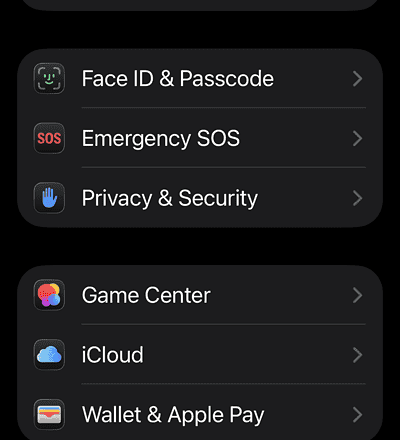
Settings > Privacy & Security > Location Services > System Services
-
Enable “Networking & Wireless”
-
This improves location-based Wi-Fi functionality
Router and Network Solutions
7. Restart Your Router
-
Unplug router from power for 30 seconds
-
Reconnect and wait for full restart
-
Test connectivity after router fully boots
8. Check Router Settings
-
Ensure WPA2/WPA3 security (avoid WEP)
-
Disable MAC address filtering temporarily
-
Check for firmware updates for your router
9. Change Wi-Fi Band
-
Switch between 2.4GHz and 5GHz bands
-
2.4GHz has better range but more interference
-
5GHz is faster but shorter range
iOS-Specific Optimizations
10. Disable Wi-Fi Assist
-
Settings > Cellular/Mobile Data
-
Scroll to bottom, toggle off “Wi-Fi Assist”
-
Prevents iPhone from switching to cellular when Wi-Fi is weak
11. Configure DNS Settings
-
Settings > Wi-Fi > ⓘ next to network > Configure DNS
-
Change to Manual
-
Add DNS servers: 1.1.1.1 (Cloudflare) or 8.8.8.8 (Google)
12. Private Wi-Fi Address
-
Settings > Wi-Fi > ⓘ next to network
-
Toggle off “Private Wi-Fi Address”
-
Rejoin network after changing this setting
When to Suspect Hardware Issues
Test with Different Networks:
-
Connect to different Wi-Fi networks
-
Try public hotspots or mobile hotspot
-
If issue persists across all networks, may be device-related
Check for Physical Damage:
-
Inspect for visible damage
-
Test with different cases removed
-
Monitor for overheating during Wi-Fi use
Prevention and Maintenance
Regular Maintenance:
-
Keep iOS updated regularly
-
Restart iPhone weekly
-
Clear cache by toggling Airplane Mode
-
Monitor storage space (keep above 1GB free)
Optimal Settings:
-
Use Auto-Join for trusted networks
-
Enable Auto-Login for seamless reconnection
-
Keep Location Services enabled for Wi-Fi
FAQ
Why did iOS 26 break my Wi-Fi?
Software updates can introduce compatibility issues with network configurations and drivers.
Should I reset all settings?
Only if other solutions fail. Go to Settings > General > Transfer or Reset > Reset All Settings
Does this affect cellular data too?
Sometimes. If both are affected, reset network settings usually helps.
Will I lose my Wi-Fi passwords?
Yes, when resetting network settings. Have passwords handy for reconnection.
When to Contact Apple Support
-
All troubleshooting steps fail
-
Issue persists across multiple networks
-
Suspected hardware failure
-
Device under warranty
Conclusion
Most iOS 26 Wi-Fi dropping issues can be resolved through simple troubleshooting like restarting devices, updating software, and resetting network settings. The combination of updating to iOS 26.0.1, forgetting/rejoining networks, and optimizing router settings typically resolves persistent connectivity problems. If issues continue across multiple networks, consider contacting Apple Support for hardware evaluation.