The Evolution of TV Sizes: From 21-Inch CRT to 85-Inch 4K Displays
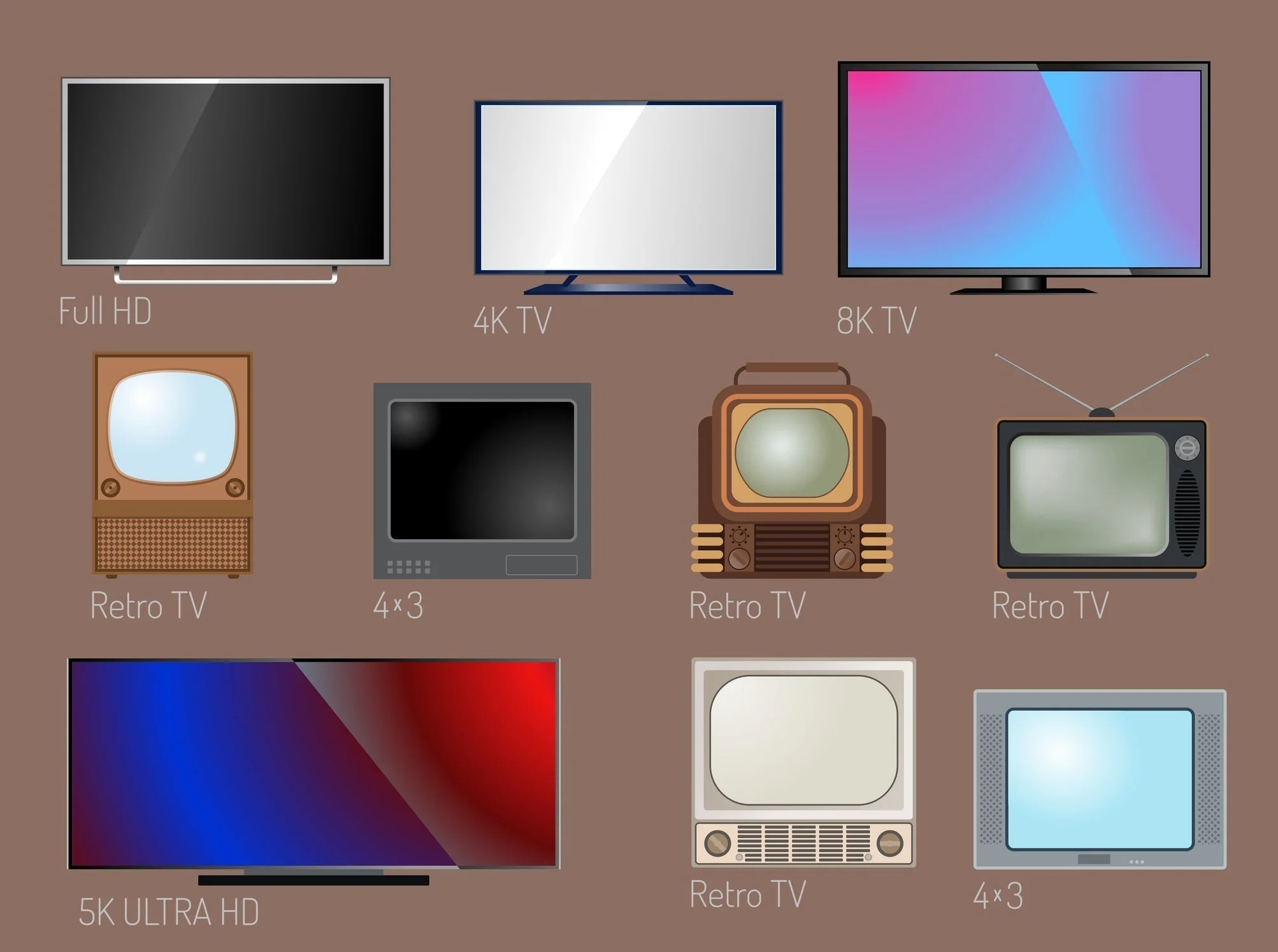
A Story of Growth
As of 2022, the average size of TVs installed in U.S. homes was 47.5 inches. Many people simply aren’t willing to settle for a screen smaller than 50 inches anymore. In fact, sales of TVs sized 80 to 89 inches grew by 26.5% year-over-year in 2025. The largest TV size you can buy today is an extreme home cinema setup that easily takes up an entire wall in your house.
The rapid advancement of TV technology can be traced back to the 1970s, the time when practically every home television was being upgraded to one with a color display. But for the sake of comparison: what was the size of a TV in the ’70s?
This guide explores the fascinating evolution of TV sizes—from bulky 21-inch CRT boxes to the massive, sleek 4K displays that dominate our living rooms today.
Quick Overview: TV Size Evolution
| Decade | Typical Screen Size | Aspect Ratio | Technology |
|---|---|---|---|
| 1970s | 19–25 inches | 4:3 (fullscreen) | CRT (cathode ray tube) |
| 1980s–1990s | 25–32 inches | 4:3 | CRT (improved) |
| 2000s | 32–42 inches | 16:9 (widescreen) | LCD/Plasma (early HDTV) |
| 2010s | 42–55 inches | 16:9 | LED, OLED, 4K |
| 2020s | 55–85+ inches | 16:9 | OLED, Mini LED, 8K |
What Was a TV Like in the 1970s?
The typical size for a home television in the ’70s was 21 inches. This is what a premium TV looked like in that era:
| Feature | Description |
|---|---|
| Screen Size | 19–25 inches (absolute maximum) |
| Technology | CRT (cathode ray tube) |
| Design | Bulky wooden console cabinet |
| Speakers | Front-facing, built into the cabinet |
| Controls | On-device buttons (remote controls were a luxury) |
| Picture Quality | Fuzzy by today’s standards |
| Aspect Ratio | 4:3 (square/fullscreen) |
The Console TV: This was one of the chief electronics that shaped an entire generation in the ’60s and ’70s. It was the height of entertainment in the same way that our 75-inch-plus 4K displays are now.
When Did TV Screens Start Getting So Much Bigger?
The Aspect Ratio Shift
One of the most important factors in the increased size of TVs is the change in aspect ratio.
| Aspect Ratio | Description | Era |
|---|---|---|
| 4:3 (Fullscreen) | Square-shaped image | 1970s–1990s |
| 16:9 (Widescreen) | Rectangular, wider image | Mid-2000s–present |
Why This Matters: A 21-inch 4:3 TV and a 21-inch 16:9 TV are not the same size. The widescreen TV is physically wider and offers a more immersive viewing experience.
The HDTV Revolution
With the introduction of affordable high-definition displays in the mid-2000s, widescreen TVs became mainstream. HDTVs were also:
-
Thin and lightweight compared to bulky CRT consoles.
-
Easier to transport from store to home.
-
More affordable to manufacture in larger sizes.
The Turning Point: Once it became physically possible—and financially practical—to make larger screens, TV sizes started to grow rapidly.
Why Do TVs Keep Getting Bigger?
| Reason | Explanation |
|---|---|
| Immersive Experience | A bigger screen with higher resolution offers a more enjoyable image. |
| Affordability | Larger TVs are now more affordable than ever. |
| Thinner Designs | Modern TVs are lightweight and wall-mountable. |
| Consumer Demand | People want a cinematic experience at home. |
| Better Technology | Higher resolutions (4K, 8K) make larger screens look better. |
Frankly: If a movie lover or video gamer can spare the cash to buy a larger TV, it simply makes sense to do so.
Current Trends: Beyond Just Size
Today, the TV market is focused on better technology and increased affordability. Manufacturers are already making massive TVs, so consumers are now thinking more about:
| Factor | What It Means |
|---|---|
| Image Quality | Not just “75-inch is better than 65-inch.” |
| Panel Technology | Mini LED vs. OLED—which makes more sense for your living room? |
| Longevity | How long will this TV last? |
| Viewing Distance | Is the TV too big for the room? |
Mini LED vs. OLED
| Technology | Pros | Cons |
|---|---|---|
| OLED | Perfect blacks, infinite contrast, vibrant colors | Higher cost, potential burn-in |
| Mini LED | Very bright, good contrast, more affordable | Not as perfect blacks as OLED |
| QLED | Bright, good color, affordable | Backlight bleeding possible |
The Verdict: The choice between Mini LED and OLED depends on your room’s lighting, viewing habits, and budget.
Comparison Table: TV Sizes Through the Decades
| Decade | Typical Size | Technology | Aspect Ratio | Price (Adjusted) |
|---|---|---|---|---|
| 1970s | 19–25″ | CRT | 4:3 | Very expensive |
| 1990s | 25–32″ | CRT | 4:3 | Expensive |
| 2000s | 32–42″ | LCD/Plasma | 16:9 | Moderate |
| 2010s | 42–55″ | LED/OLED | 16:9 | Affordable |
| 2020s | 55–85+” | OLED/Mini LED | 16:9 | Widely affordable |
Frequently Asked Questions
What was the average TV size in the 1970s?
The typical size for a home television in the ’70s was 21 inches, with premium models ranging from 19 to 25 inches.
Why were old TVs so bulky?
CRT technology required a large, deep tube to project the image. Modern flat-panel displays (LCD, LED, OLED) are much thinner because they use different technology.
When did widescreen TVs become popular?
Widescreen (16:9) TVs became mainstream in the mid-2000s with the introduction of affordable HDTVs.
Why are TVs getting bigger?
Advancements in display technology, lower manufacturing costs, and consumer demand for immersive cinematic experiences have driven the growth in TV sizes.
What’s more important: screen size or picture quality?
Both matter. A larger screen is more immersive, but picture quality (resolution, contrast, color accuracy) determines how good that image actually looks.
Quick Reference Summary
| Decade | Key Advancement |
|---|---|
| 1970s | Color CRT TVs become standard; 19–25″ screens. |
| 2000s | Widescreen HDTVs arrive; 32–42″ screens become common. |
| 2010s | 4K, OLED, and 55″+ screens become mainstream. |
| 2020s | 65–85″+ screens with Mini LED, OLED, and 8K. |
| Future | Rollable, transparent, and even larger microLED displays. |
Final Thoughts: The Size Evolution Continues
From bulky 21-inch CRT consoles to wall-filling 85-inch 4K displays, the evolution of TV sizes is a testament to how far technology has come. While size has always been a key selling point, today’s consumers are increasingly focused on image quality, panel technology, and longevity.
The bottom line: Bigger screens are more immersive, but the best TV for you depends on your room size, viewing distance, and budget. Whether you choose OLED, Mini LED, or QLED, one thing is certain—the era of the 21-inch CRT is long gone, and the future of home cinema is bigger than ever.