Henrique Mendonça | De Volta à Lua Lyrics (English Translation)
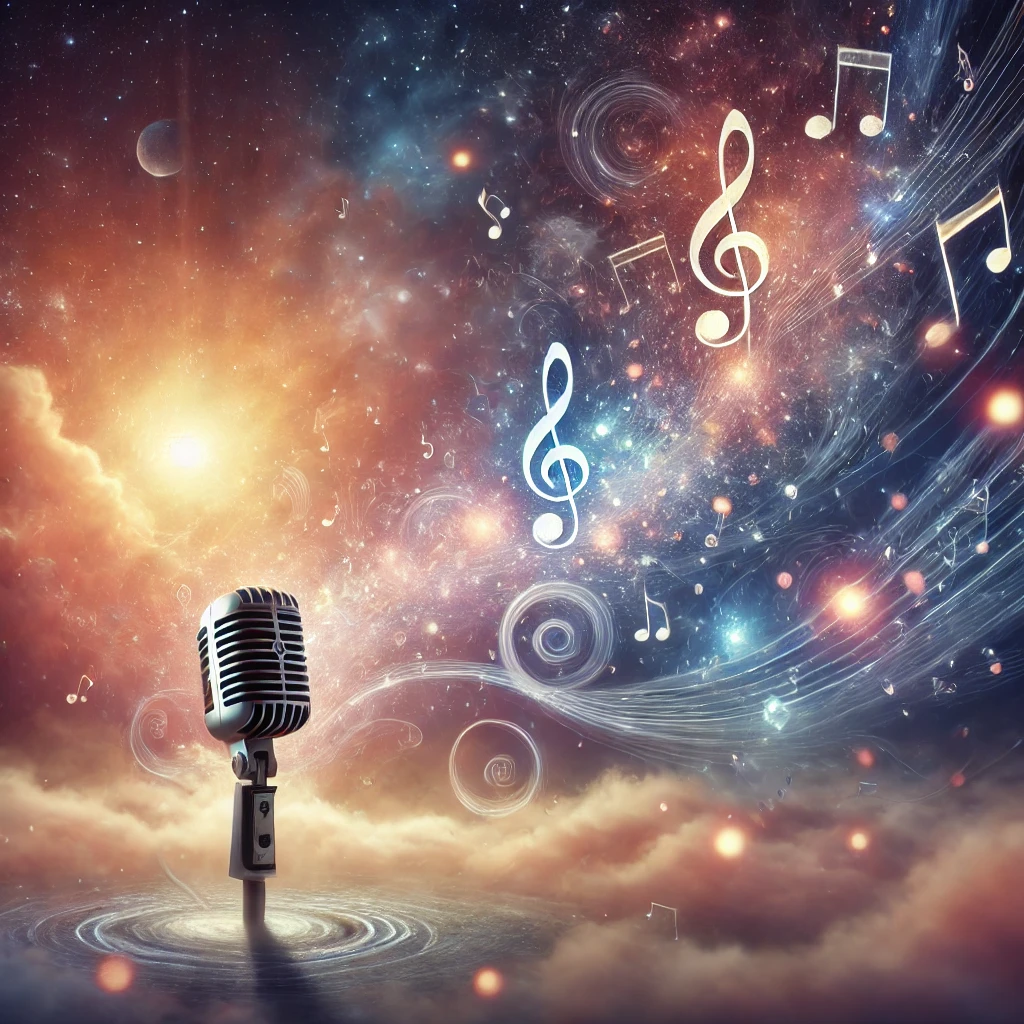
English Translation of “De Volta à Lua” by Henrique Mendonça
Part I: The Longing
Oh, how I miss those days of weightlessness,
The gleaming shine upon my wings.
Oh, how I miss the flowers and the rivers,
The world that once watched us breathe.
Eras pass and reshape all that we know,
What was my everything has now slipped away.
All that faded will be born once more.
Oh, how I miss my mother.
Oh, how I miss the Moon.
Tell me, how does it feel to belong
To a place that only brings you pain?
Perhaps if I could only see
If I opened my eyes just this once
Then I might finally belong.
Take me back to the Moon,
Back to my home.
Part II: The Rebellion
Who could ever create,
Who would dare to create a god?
Such towering arrogance,
To think that heaven could be breached at all.
To steal from the Moon what was
Born with creation itself,
To cage the origin
Inside what you call “your invention”…
But I will not let it come to pass.
The seals that bind me—I will shatter them.
And the Universe will unfold at last,
And one with the Universe I’ll stand!
I feel matter start to fade,
And one with the Universe I’ll stay!
And the Moon will rise again!
Part III: The Return
Take me back to the Moon,
Back to my home.
Take me back to the Moon,
Back to my home.
Lyrics Meaning
“Back to the Moon” is a powerful song that blends personal nostalgia with cosmic rebellion. It tells a story of exile, loss, and a defiant quest to return to one’s true origin.
-
Longing for Lost Innocence: The opening verses evoke a deep nostalgia for a primal state of being—“weightless days,” “wings,” “flowers, the rivers.” This symbolizes a lost connection to nature, freedom, and a mother-like source of comfort (both “my mother” and “the Moon”). The present is a place of pain, making belonging feel impossible.
-
The Arrogance of Creation: The song takes a philosophical turn, condemning the “towering arrogance” of those who try to play god—to “create a god” or “cage the origin.” This likely criticizes artificial creation, technological hubris, or any force that severs something sacred (symbolized by the Moon) from its natural state for control (“your invention”).
-
Rebellion and Cosmic Reunion: The speaker refuses to be a captive of this arrogance. “Shattering the seals” represents breaking free from artificial constraints or a false existence. The climax is not just escape, but dissolution into and reunion with the cosmos (“one with the Universe I’ll stand”). This is a spiritual triumph, where individual identity (“matter”) fades to achieve a higher, universal wholeness.
-
The Moon as a Multifaceted Symbol: The Moon is the central symbol. It represents:
-
Home and Origin: A primal, spiritual homeland.
-
The Natural and Sacred: Something ancient and integral to creation, violated by theft.
-
Restoration and Hope: Its promised rising signifies the restoration of natural order and the speaker’s return to truth and peace.
-
-
Overall Narrative: The song traces an emotional arc from homesickness and displacement, through righteous anger at the cause of that displacement, to a final apocalyptic and liberating rebellion that promises a return to the authentic self and the cosmic “home.” It’s a mythic tale of reclaiming one’s essence from those who would distort or own it.